Technical Guide

Aluminum Coil Anodizing

The complete guide to continuous aluminum coil anodizing — covering the process, equipment, alloys, specifications, quality control, and applications. Written by ALBEI's engineering team based on real production from our 300,000+ sqm facility producing 150,000 tonnes annually.

Continuous Process Type II Sulfuric Acid 1.8–25 μm Coating 150,000 Tons/Year
Jump to:
Definition

What is Aluminum Coil Anodizing?


Aluminum coil anodizing is the continuous electrolytic surface treatment of pre-rolled aluminum strip, transforming raw coil into durable, corrosion-resistant, decorative-finished material ready for downstream fabrication.

Aluminum coil anodizing is a continuous surface treatment process where pre-rolled aluminum strip is unwound and passed through a series of electrolytic tanks to grow a controlled aluminum oxide layer on the metal surface. Unlike batch (rack) anodizing, which processes individual parts, coil anodizing treats the entire coil in one continuous run — producing hundreds of meters of uniformly anodized aluminum ready for fabrication.

The underlying principle is electrochemical. The aluminum strip acts as the anode (positive electrode) in an electrolytic cell containing a sulfuric acid electrolyte. When direct current is applied — typically 12 to 20 volts — oxygen ions migrate from the electrolyte to the aluminum surface and react with the metal atoms to form aluminum oxide (Al₂O₃). This oxide layer is not deposited on top of the aluminum; it grows from within the metal itself, creating an integral, bonded coating that will not peel, chip, or flake. The result is a porous, hexagonal-cell oxide structure that can subsequently be dyed for color and sealed for maximum corrosion resistance and durability.

The concept of anodizing aluminum dates back to the early 20th century, but it was in the 1930s that the sulfuric acid process — what we now know as Type II sulfuric acid anodizing under MIL-A-8625 — was commercially established. Over the following decades, the batch process evolved into high-speed continuous lines capable of treating entire coils of aluminum strip without interruption. Modern coil anodizing lines, like those operated at ALBEI's production facility, run at speeds of 5 to 30 meters per minute and process coils weighing 5 to 15 tonnes in a single continuous operation.

The strategic advantage of coil anodizing is simple but powerful: by anodizing the material before fabrication, manufacturers eliminate a separate finishing step from their production flow. Instead of cutting, bending, stamping, and assembling parts first — and then sending them to a batch anodizing line — fabricators receive pre-anodized coil or sheet that is already finished and ready to form. This is why coil anodizing is the preferred method for high-volume architectural cladding, appliance panels, automotive trim, and electronics housings where consistent finish quality and cost efficiency are critical.

The fundamental distinction between coil anodizing and batch anodizing comes down to when the anodizing occurs in the manufacturing sequence. Coil anodizing treats the raw material first, then fabricates; batch anodizing fabricates first, then treats the finished parts. Coil anodizing delivers higher throughput, better thickness uniformity, and lower cost per unit, while batch anodizing remains necessary for complex three-dimensional parts that cannot be produced from flat sheet. For a deeper comparison, see our coil vs batch anodizing guide.

Coil anodizing is not a different anodizing chemistry — it uses the same Type II sulfuric acid process as batch anodizing. The distinction is in the format: continuous coil-to-coil production instead of rack-based batch processing. This enables dramatically higher throughput and lower per-unit cost.
Process Steps

The Continuous Coil Anodizing Process


The coil anodizing process consists of 8 sequential stages. The aluminum strip moves continuously through each stage at a controlled speed, with dwell times calibrated to coil thickness, alloy, and desired coating thickness.

01

Unwinding and Welding

The process begins at the uncoiler (payoff reel), where the raw aluminum coil is mounted and unwound. The leading edge of the incoming coil is welded to the trailing edge of the previous coil, creating a continuous strip that feeds through the line without interruption. This weld-and-go approach is what makes coil anodizing a true continuous process — the line never stops for coil changes.

02

Cleaning and Degreasing

Before anodizing, the strip surface must be free of all contaminants. Alkaline or acid cleaning removes rolling oils, lubricants, dust, and surface oxides that would otherwise interfere with oxide growth. This stage typically uses mild sodium hydroxide or phosphoric acid solutions at 50–70°C, followed by thorough rinsing in deionized water. A clean surface is essential for uniform oxide formation.

03

Etching / Brightening

The cleaned strip passes through a sodium hydroxide etching tank that removes the natural oxide layer and a thin layer of base metal, creating a uniform, matte surface finish. This etching step eliminates surface imperfections from the rolling process and ensures consistent appearance across the entire coil length. For reflective or mirror finishes, an optional chemical or mechanical brightening step polishes the surface before anodizing.

04

Anodizing

This is the core stage. The strip enters the anodizing tank — a long electrolytic cell containing 15–20% sulfuric acid electrolyte. The aluminum acts as the anode; lead or stainless steel cathode plates line the tank. Direct current at 12–20 volts and 18–25°C drives oxide growth. The anodic oxide layer forms to a controlled thickness of 1.8–25 μm, depending on current density, dwell time, and target specification. This is the Type II sulfuric acid anodizing process per MIL-A-8625.

05

Coloring / Dyeing

If a colored finish is required, the porous oxide film — freshly formed and full of microscopic pores — absorbs organic or inorganic dyes in a controlled immersion bath. The dye molecules penetrate the pore structure, producing rich, integral color. For bronze and black tones, electrolytic coloring uses a second electrolytic step to deposit metal salts (tin, nickel, cobalt) at the base of the pores, creating exceptionally durable, UV-resistant colors. Clear (Class 1) finishes skip this stage entirely.

06

Sealing

Sealing is critical for long-term durability. The porous oxide structure — left unsealed — would absorb contaminants and degrade over time. Hot water sealing (95–100°C deionized water) or nickel acetate sealing hydrates the aluminum oxide, converting the pores into a stable, non-absorptive form (boehmite). This locks in color, maximizes corrosion resistance, and closes the surface to environmental attack. Proper sealing is what gives anodized aluminum its decades-long outdoor durability.

07

Drying

After the final rinse, the strip passes through a drying station equipped with high-velocity air knives and/or an oven. Air knives blow moisture off the surface at high speed, while the oven provides controlled heat to remove any remaining water. Thorough drying prevents water spots and surface staining before the strip is rewound, ensuring a clean, defect-free finish.

08

Inspection and Rewinding

The finished strip is rewound onto the take-up reel (coiler). Throughout this final stage, continuous quality monitoring takes place: inline non-contact thickness gauges verify coating thickness, spectrophotometers check color consistency, and visual inspection systems detect surface defects. Only coils that pass all quality checks are packaged and shipped. The result is a finished coil of uniformly anodized aluminum, ready for stamping, bending, roll-forming, or direct application.

Each stage's dwell time is calculated based on strip speed, thickness, and target coating thickness. A typical line runs at 5–30 meters per minute, processing coils weighing 5–15 tonnes. The entire continuous coil anodizing line can span over 200 meters from uncoiler to coiler.
Equipment

Coil Anodizing Equipment & Line Configuration


A continuous coil anodizing line is a large-scale industrial installation — a sequence of processing tanks, rinsing stations, and control systems designed to move aluminum strip continuously through every treatment stage without stopping.

The physical layout of a continuous coil anodizing line follows a linear path from coil entry to coil exit. At the front of the line, the uncoiler (payoff reel) holds the raw aluminum coil and feeds the strip into the system. The strip first passes through a strip accumulator — a vertical tower of rollers that stores a buffer of strip material. This accumulator is the key to continuous operation: when a coil runs out, the line keeps running on the buffered strip while a new coil is loaded and its leading edge welded to the tail of the previous coil, all without stopping the process tanks.

After the accumulator, the strip enters the processing section: a series of open-top tanks, each 3 to 8 meters long, containing the various treatment solutions. The strip passes through each tank in sequence, with rinsing tanks positioned between every process stage to prevent cross-contamination of chemicals. The main processing tanks include:

After cleaning, etching, anodizing, coloring, and sealing, the strip enters the drying station — a combination of high-velocity air knives and a heated oven that removes all moisture from the surface. The dried strip then passes an inline thickness gauge (non-contact X-ray or eddy current type) that continuously measures the anodic oxide thickness, and a color monitoring system (inline spectrophotometer) that verifies color consistency against target values. Finally, the coiler (take-up reel) rewinds the finished strip into a new coil, ready for shipment or downstream fabrication.

ALBEI operates 200+ meter processing lines at our manufacturing facility in Guangdong, China. These lines are equipped with full automation, inline quality monitoring, and environmental controls that manage acid mist, wastewater treatment, and energy recovery — all operating within our ISO 9001 and ISO 14001 certified management systems.

Parameter Typical Range
Line speed5–30 m/min
Strip thickness0.02–4.0 mm
Strip widthup to 1,800 mm
Coil weight5–15 tonnes
Anodizing voltage12–20 V DC
Bath temperature18–25°C
Coating thickness1.8–25 μm
Material Selection

Aluminum Alloys for Coil Anodizing


Not all aluminum alloys anodize equally. The alloy series determines anodizing response, color clarity, and mechanical formability — making alloy selection a critical decision in any coil anodizing project.

The aluminum alloy used for coil anodizing directly affects the quality, appearance, and performance of the finished product. Different alloying elements influence how the oxide layer forms, how clear or cloudy the anodic film appears, and how well the material can be formed after treatment. Understanding these differences is essential for specifying the right material for each application.

Alloy Series Key Elements Anodizing Response Best Applications
1xxx (1050, 1060) 99%+ Al Excellent — clear, bright oxide Reflectors, lighting, decorative trim
3xxx (3003, 3004) Manganese Good — uniform matte finish General purpose, appliance panels, roofing
5xxx (5005, 5052) Magnesium Very good — consistent color Architectural cladding, marine, automotive
6xxx (6061) Magnesium + Silicon Good — slightly gray tone Structural, extrusions, profiles

The 1xxx series — with 99% or higher aluminum purity — produces the clearest, brightest anodic oxide. The absence of significant alloying elements means the oxide layer forms without interference, resulting in a transparent film that preserves the natural brilliance of the aluminum. This makes 1xxx alloys the first choice for lighting reflectors and decorative applications where maximum reflectance and clarity are required.

The 3xxx series (manganese-alloyed) offers a good balance of formability, strength, and anodizing quality. It produces a uniform matte finish that is well-suited to general-purpose applications. The 5xxx series (magnesium-alloyed) delivers very good anodizing response with consistent color, making it ideal for architectural cladding and marine environments where corrosion resistance and color uniformity are paramount. The 6xxx series (magnesium-silicon) is most commonly used for extrusions and structural profiles; it anodizes well but can show a slightly gray tone due to the silicon content.

ALBEI processes all four series — 1xxx, 3xxx, 5xxx, and 6xxx — with thicknesses from 0.02mm to 4.0mm and widths up to 1,800mm. Our product range covers the full spectrum of coil anodizing applications.
Quality Standards

Coil Anodizing Specifications & Quality Standards


Coil anodized aluminum is governed by a framework of international standards that define process parameters, coating thickness, corrosion resistance, and quality verification methods. These specifications ensure that anodized products meet consistent performance benchmarks across manufacturers and applications.

The primary specification governing sulfuric acid anodizing is MIL-A-8625, the U.S. military specification that defines anodizing types and classes. Type II under this standard covers conventional sulfuric acid anodizing with coating thicknesses of 1.8–25 μm — the exact range used in continuous coil anodizing. Class 1 specifies a non-dyed (clear) finish; Class 2 specifies a dyed (colored) finish. MIL-A-8625 is widely referenced even in commercial and international contexts because of its clear, well-established classification system.

ASTM B580 is the standard practice for anodizing aluminum, providing guidance on process control, thickness measurement, and quality verification. It is commonly used in North American manufacturing and is referenced alongside MIL-A-8625 in many procurement specifications. ISO 7599 is the international standard for anodic oxidation coatings on aluminum and its alloys, specifying requirements for thickness, sealing quality, and corrosion resistance. It is the primary reference in European and international markets. AAMA 611 is a voluntary specification published by the American Architectural Manufacturers Association specifically for anodized architectural aluminum — it sets stringent requirements for coating thickness, color uniformity, seal quality, and weathering performance for exterior building applications.

Beyond the specifications themselves, quality is verified through a suite of standardized test methods. These tests are performed on samples from every production run and, in some cases, continuously inline:

Coating thickness is measured using eddy current instruments (per ASTM B244) or by cross-section microscopy. Inline non-contact gauges monitor thickness continuously during production, while laboratory verification uses destructive cross-sectioning for precise measurement at high magnification. Corrosion resistance is evaluated through the ASTM B117 salt spray test — sealed Type II coatings typically withstand 200 to 1,000+ hours of salt spray exposure depending on thickness and sealing quality, with architectural grades required to pass 1,000 hours minimum.

Color consistency is verified using spectrophotometric measurement, with Delta E (the total color difference between sample and standard) maintained below 1.5 for architectural applications. Inline spectrophotometers monitor color continuously during coil processing. Sealing quality is assessed using the dye spot test per ISO 3210, which measures the oxide's resistance to dye absorption after sealing — a well-sealed surface shows minimal dye uptake. Weight gain/loss testing provides additional verification of oxide formation and sealing effectiveness by measuring the mass change of samples before and after treatment.

ALBEI's facilities are third-party audited and certified to ISO 9001 and ISO 14001, with full traceability from coil input to finished product. Every production lot is documented and testable. See our certifications page for full details.
Why Coil Anodizing

Advantages of Coil Anodizing


Coil anodizing offers compelling advantages over alternative surface finishing methods. The combination of continuous processing, controlled oxide thickness, and integral coating makes it the optimal choice for high-volume decorative and architectural aluminum applications.

01

Uniform Coating

Continuous processing ensures consistent thickness and color across hundreds of meters of strip. Unlike batch anodizing, where parts in different rack positions receive slightly different treatment, coil anodizing moves the entire strip through identical process conditions — every meter sees the same voltage, temperature, and dwell time. Inline thickness and color monitoring verify uniformity in real time, catching any deviation before it becomes a defect.

02

High Throughput

Coil anodizing processes entire coils in a single continuous run, far faster than batch anodizing individual parts. A line running at 20 meters per minute produces over a kilometer of anodized strip per hour. This makes coil anodizing the highest-throughput anodizing method available — critical for industries like architecture, appliances, and automotive where large surface areas must be finished efficiently and cost-effectively.

03

Cost Efficiency

Sulfuric acid is inexpensive and widely available. The Type II process is energy-efficient at room temperature — no heating or cooling required. The continuous format minimizes labor per unit: a single line operator oversees hundreds of square meters of finished product per shift. These factors combine to deliver the lowest cost per square meter of any anodizing process, making coil anodizing economically unbeatable for high-volume applications.

04

Formability After Anodizing

The thin, controlled oxide layer (1.8–25 μm) produced by coil anodizing is flexible enough to allow post-anodizing forming — bending, stamping, roll-forming, and deep drawing — without cracking or delaminating. This is the fundamental enabler of pre-finished aluminum: fabricators receive anodized coil and form it directly into finished products, eliminating a separate finishing step entirely. Type III hardcoat anodizing (25–100+ μm) cannot offer this — its thick, brittle oxide cracks under even modest deformation.

05

Corrosion & UV Resistance

Properly sealed anodic oxide withstands hundreds of hours of salt spray (ASTM B117) and resists UV fading — the color is integral to the oxide, not a surface-applied coating that can chalk or peel. This makes coil-anodized aluminum ideal for outdoor applications: architectural facades, roofing, automotive exterior trim, and marine environments where decades of weathering resistance are required. Electrolytically colored (bronze, black) finishes are particularly UV-stable.

Use Cases

Applications of Anodized Aluminum Coil


Coil-anodized aluminum serves a broad spectrum of industries — from architecture and automotive to consumer electronics and interior design. The combination of durability, formability, and decorative finish makes it one of the most versatile surface-treated materials available.

Anodized aluminum architectural cladding and facade
01 — Architecture

Architectural Cladding

Curtain walls, facades, roofing, soffits, and rainscreen panels. Anodized aluminum's UV resistance and color stability make it a premium exterior cladding material.

Anodized aluminum appliance panels
02 — Appliances

Appliance Panels

Refrigerator trims, oven frames, microwave housings, and dishwasher front panels. The scratch-resistant, food-safe anodic surface is ideal for kitchen and consumer appliances.

Anodized aluminum automotive trim
03 — Automotive

Automotive Trim

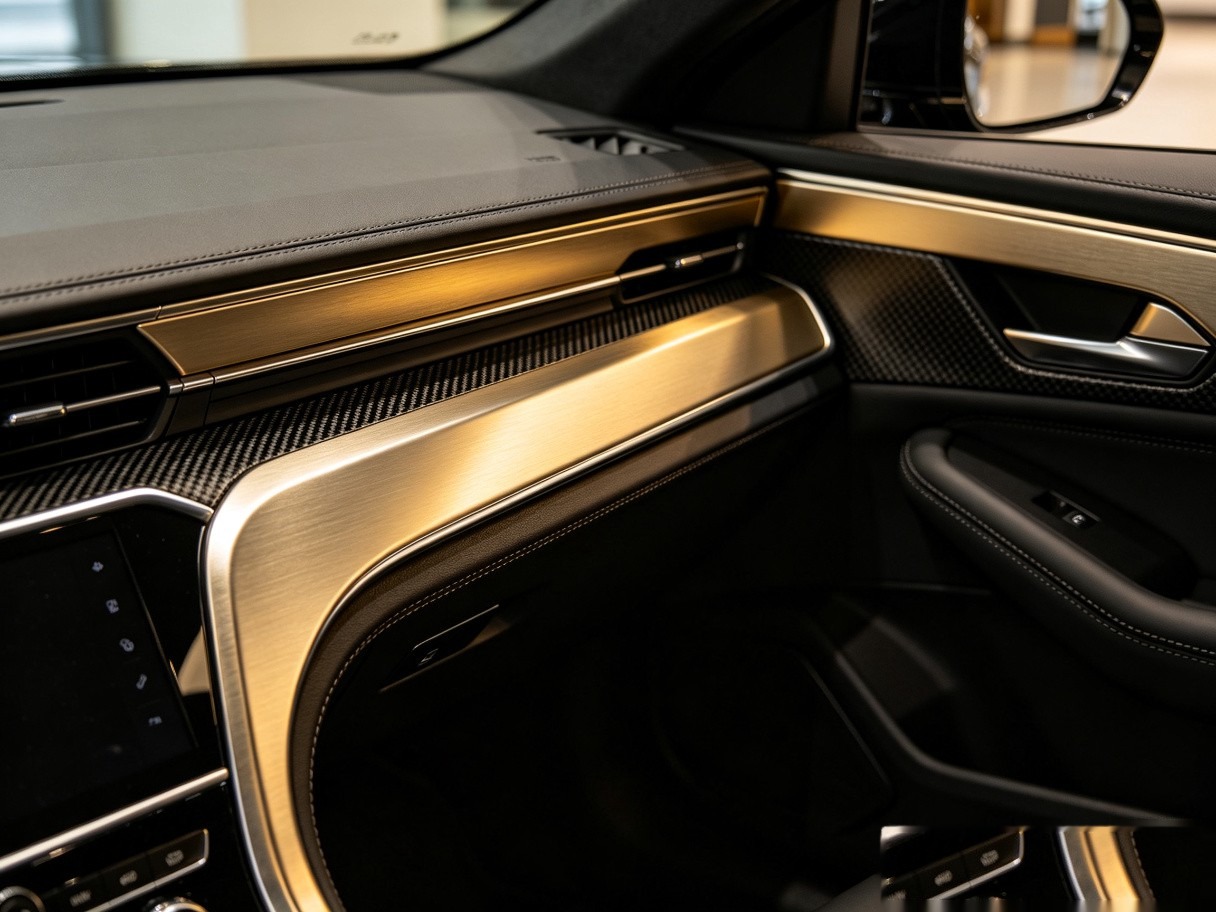
Body moldings, door trims, window surrounds, interior accent panels, and badges. Anodized trim delivers a premium metallic finish with long-term weather and corrosion resistance.

Anodized aluminum lighting reflectors
04 — Lighting

Lighting Reflectors

High-purity 1xxx alloy anodized for maximum reflectance. Used in LED housings, lamp reflectors, and architectural lighting where optical clarity and thermal management are essential.

Anodized aluminum electronics housings
05 — Electronics

Electronics Housings

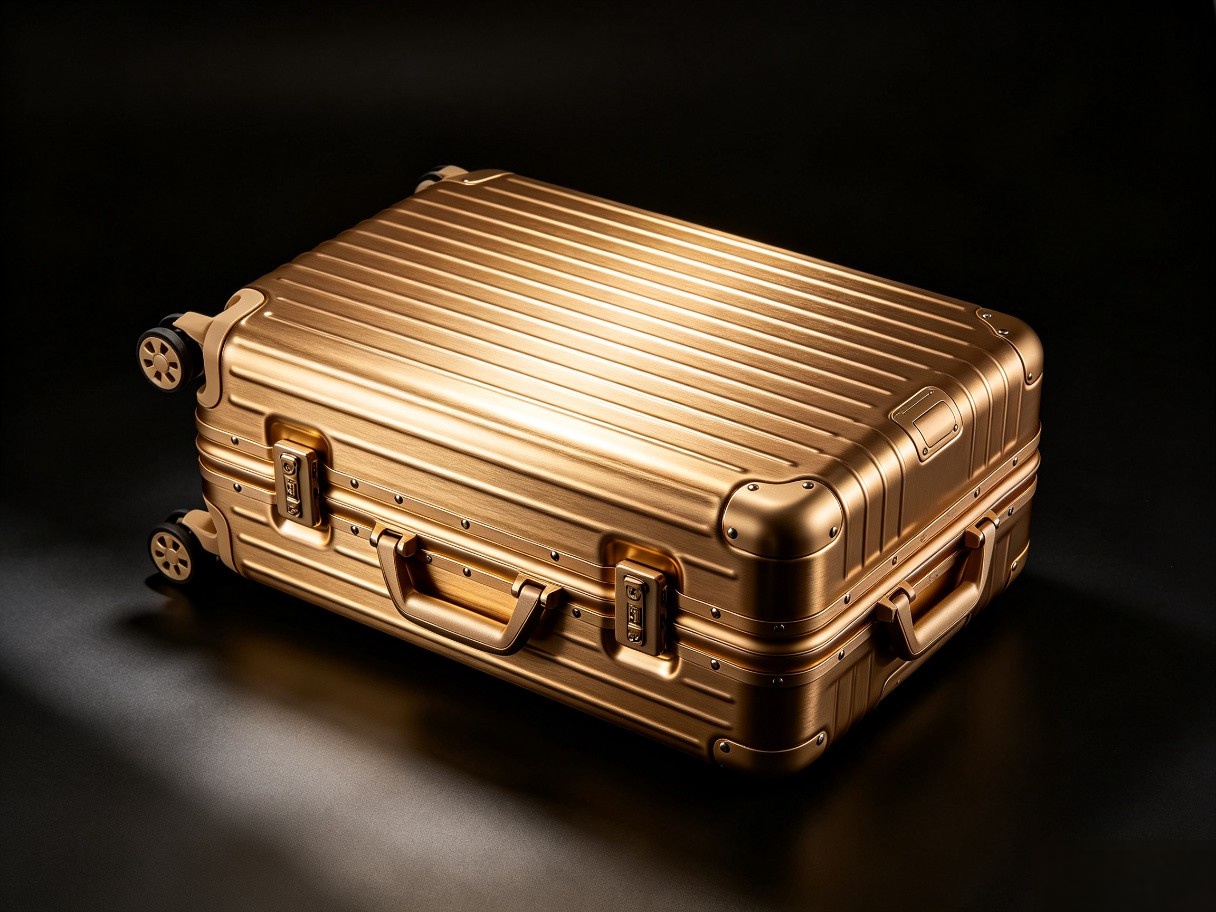
Laptop frames, smartphone casings, tablet bodies, and electronic enclosures. The thin, hard anodic layer provides scratch protection and electromagnetic shielding with a premium tactile feel.

Anodized aluminum decorative interior panels
06 — Interior

Decorative Interior

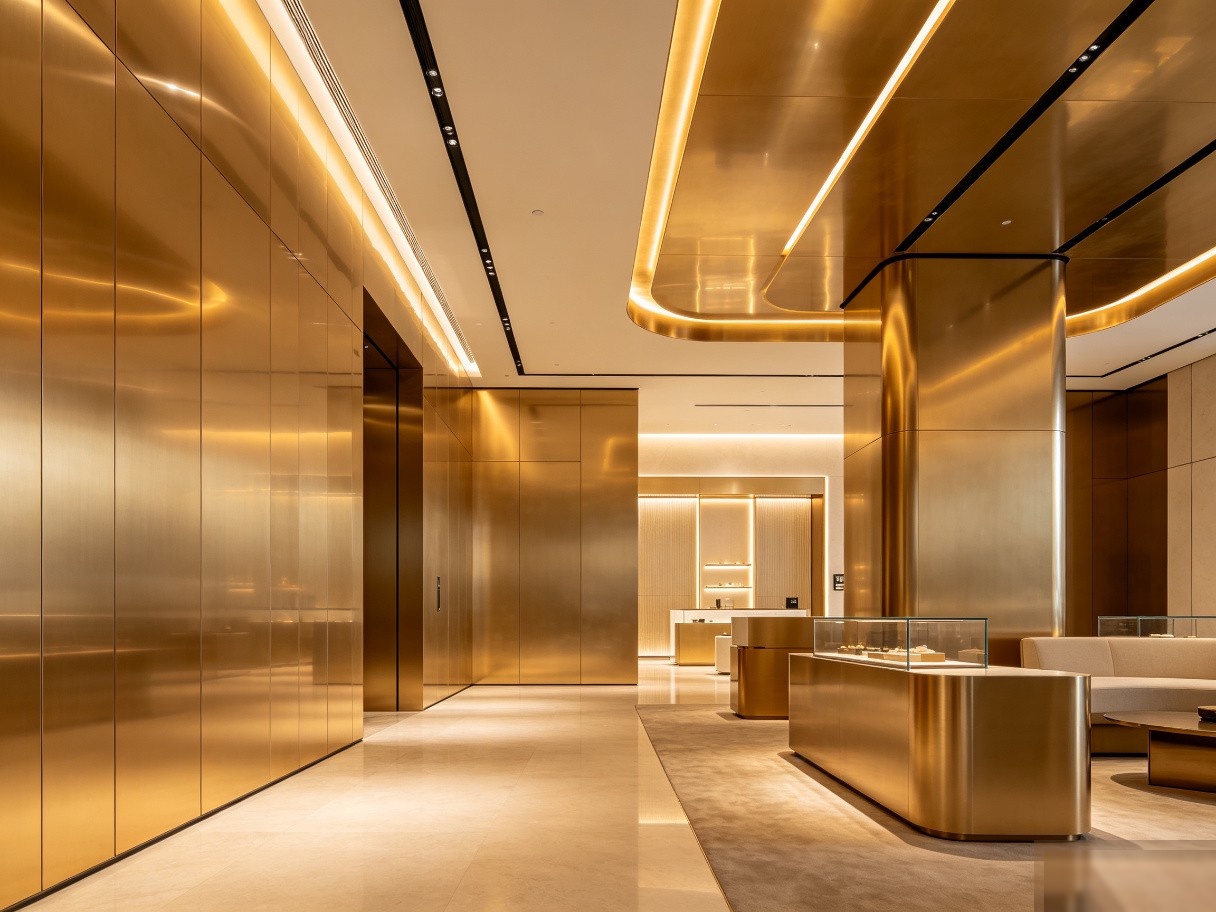
Wall panels, elevator cabs, signage, furniture components, and retail fixtures. Brushed, mirror, and colored anodized finishes bring metallic aesthetics to interior design.

ALBEI supplies anodized aluminum coil to clients across the Middle East, Southeast Asia, South Asia, North America, and Europe. Our export network serves manufacturers, fabricators, and distributors worldwide — backed by internationally recognized quality certifications and a production capacity of 150,000 tonnes annually. Explore our products to find the right specification for your application.

FAQ

Frequently Asked Questions


Common questions about aluminum coil anodizing — the process, materials, specifications, and practical considerations for specifying anodized aluminum coil.

What is aluminum coil anodizing?
Aluminum coil anodizing is a continuous electrolytic process that grows a controlled aluminum oxide layer on pre-rolled aluminum strip. The coil unwinds and passes through cleaning, etching, anodizing, coloring, sealing, and drying tanks in a single continuous run, producing uniformly anodized aluminum ready for fabrication. It uses the same Type II sulfuric acid chemistry as batch anodizing, but processes the material in a coil-to-coil format for dramatically higher throughput and lower cost per unit.
How does coil anodizing differ from batch anodizing?
Coil anodizing processes the entire coil continuously before fabrication, while batch anodizing treats individual finished parts on racks. Coil anodizing offers higher throughput, better thickness uniformity, and lower cost per unit, but requires the part to be formable after anodizing. Batch anodizing is better for complex 3D parts that can't be made from flat coil. For a detailed comparison, see our coil vs batch anodizing guide.
What aluminum alloys can be coil anodized?
The most common alloys for coil anodizing are 1xxx (1050, 1060), 3xxx (3003, 3004), 5xxx (5005, 5052), and 6xxx (6061) series. Each series produces slightly different oxide clarity and color response, with 1xxx giving the brightest, clearest finish. ALBEI processes all four series with thicknesses from 0.02mm to 4.0mm and widths up to 1,800mm.
What coating thickness is typical for anodized aluminum coil?
Typical coating thickness ranges from 1.8 to 25 micrometers, with 10–25 μm being standard for architectural applications and 5–15 μm for decorative indoor uses. Thickness is controlled by adjusting line speed, current density, and bath temperature. Architectural exterior applications typically require 15–25 μm for maximum corrosion and weathering resistance, while interior decorative applications can use thinner 5–10 μm coatings.
How long does the coil anodizing process take?
A typical continuous line runs at 5–30 meters per minute. A 10-tonne coil at 0.5mm thickness contains approximately 3,000–5,000 meters of strip, meaning the anodizing stage alone takes 2–10 hours of continuous operation depending on speed and target thickness. The entire process — from unwinding to rewinding — is continuous and non-stop once the line is running.
What quality standards apply to coil anodizing?
Key standards include MIL-A-8625 Type II (sulfuric acid anodizing), ASTM B580, ISO 7599, and AAMA 611. Quality is verified through salt spray testing (ASTM B117, 200–1,000+ hours), coating thickness measurement (eddy current or cross-section microscopy), sealing quality tests (dye spot test per ISO 3210), and color consistency checks (spectrophotometric, Delta E < 1.5). ALBEI's facilities are certified to ISO 9001 and ISO 14001.
Can anodized aluminum coil be bent after anodizing?
Yes. Coil anodizing produces a thin, controlled oxide layer (1.8–25 μm) that is more flexible than thick hard-coat (Type III) anodizing. The anodized coil can be bent, stamped, roll-formed, and fabricated after treatment, which is why coil anodizing is ideal for pre-finished architectural and automotive applications. Type III hardcoat (25–100+ μm) cannot be bent without cracking — another reason coil anodizing uses Type II rather than Type III. See our full bending anodized aluminum guide for radius rules and bend direction.
What is the minimum order quantity for anodized aluminum coil?
MOQ varies by product specification, alloy, finish, and whether the order uses stock material or custom production. Contact our sales team at sales@albei.cc for current stock availability and custom production minimums. We can accommodate both standard specifications from stock and custom runs for specific alloys, thicknesses, colors, and finishes.
Need Anodized Aluminum Coil?

Get a Quote from ALBEI Today

From 150,000 tonnes of annual capacity, we supply anodized aluminum coil in 1xxx, 3xxx, 5xxx, and 6xxx alloys — thicknesses from 0.02mm to 4.0mm, widths up to 1,800mm, with finishes including anodized, PVDF, brushed, mirror, and embossed.